Tannery Sourcing and Drum-Dyeing Standards for 1.3mm Racing Cowhide
Forensic evaluation of raw hide selection, chromium tanning chemistry, and fatliquor stabilization for export-grade leathers.
Tannery Quality Benchmarks for Motorsport Substrates
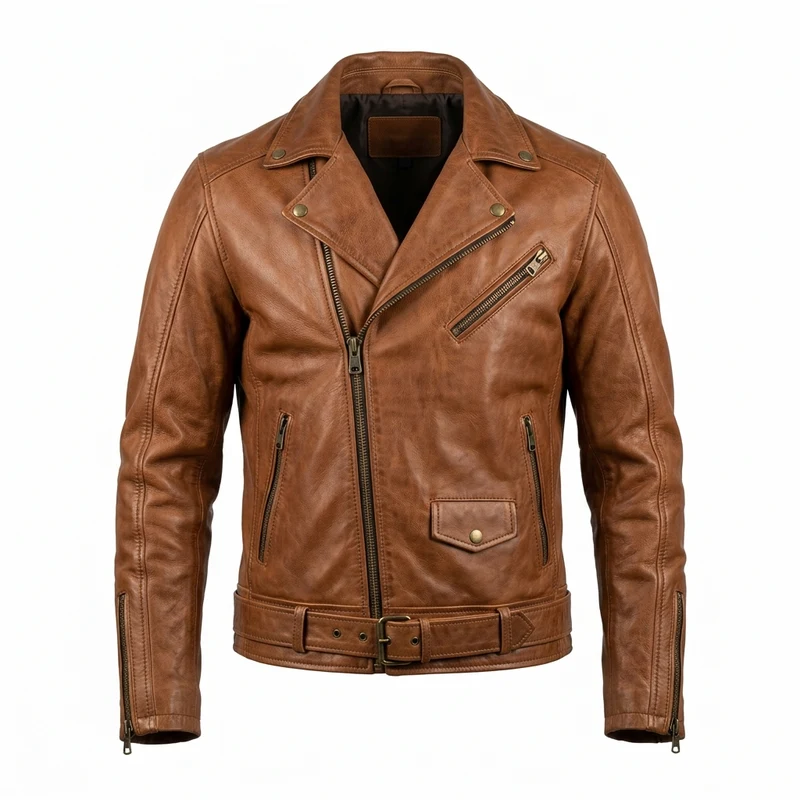
Not all leather hides are suitable for motorsport application. Automotive and furniture upholstery prioritize surface uniformity and softness, often utilizing split hides with heavy polyurethane topcoats. Motorcycle racing requires uncorrected, full-grain cowhide derived from premium bulls where collagen fiber bundles retain full structural density.
Chromium VI Prevention and Environmental Compliance
Export-compliant tanning requires REACH-certified basic chromium sulfate processing, monitored via strict redox potential controls to prevent the formation of carcinogenic Chromium VI hexavalent compounds. Post-tanning washing and synthetic antioxidant bath buffering guarantee long-term dermal safety and export compliance across EU and North American jurisdictions.
Fatliquor Stabilization and Tear Strength
During the retanning and drum-dyeing phase, penetrating aniline dyes saturate the cross-section completely, preventing unsightly white scuff marks when scuffed on asphalt. High-performance synthetic fatliquors prevent fiber embrittlement under intense solar UV exposure, yielding tear strengths exceeding 220 N according to ISO 3377-2 testing.
Related Categories & Sourcing Hubs
Tariq Mehmood Bajwa
Full Grain Cowhide & Aniline Tanning Master
Reviewed for 1.2–1.4mm drum-dyed full-grain cowhide, EN 17092 AAA abrasion resistance, CE Level 2 impact armor integration, and YKK brass hardware.